The interview you cannot cheat,because using AI is the test.
Candidates solve a real ticket with an AI coding agent. Assay records every prompt and every diff, then interviews them on the work they just did.
Candidates solve a real ticket with an AI coding agent. Assay records every prompt and every diff, then interviews them on the work they just did.
The problem
The tools changed overnight. The interview stayed in 2012.
2×
Rise in candidate cheating (H2 2025)
Rise in reported candidate cheating over the second half of 2025. Overlay tools now render below the layer screen sharing captures, feeding candidates answers in real time.
91%
Of engineers use AI coding agents at work
Most technical screens still ask candidates to invert a binary tree alone, with no internet and no tools, on a sterile virtual whiteboard. It tests what they do not do at work.
Applicants per open role in India have more than doubled since 2022. Companies are not short of candidates. They are short of a way to tell them apart.
The difference
Detection is an arms race against software that draws below the layer screen sharing captures. Assay does not enter it.
The tools
The test
The cost
The result
The tools
The test
The cost
The result
The session
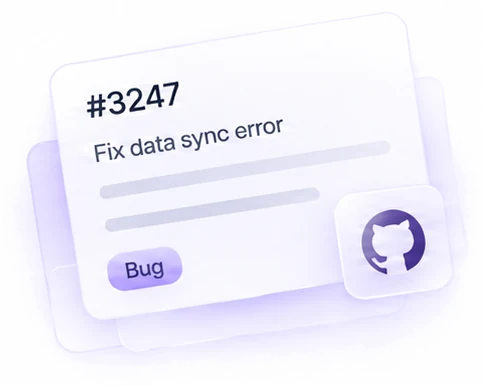
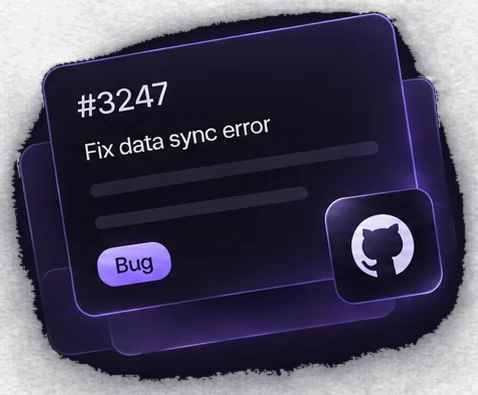
A seeded repository and a real ticket. Sometimes a bug, sometimes a spec with a deliberate ambiguity in it.
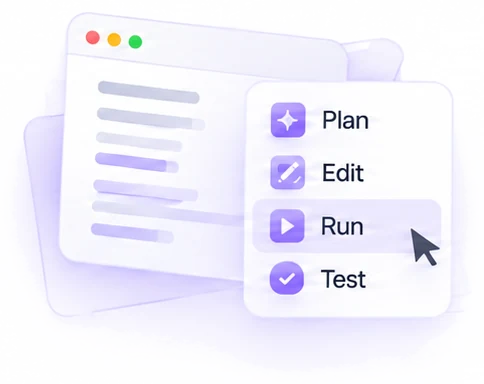
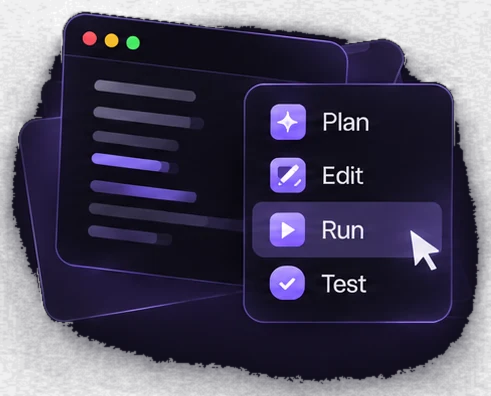
The candidate uses an AI coding agent. Every prompt, diff and test run is recorded in order.
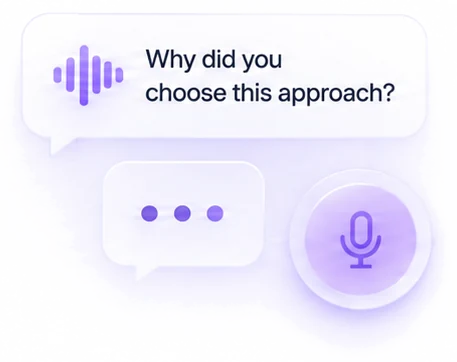
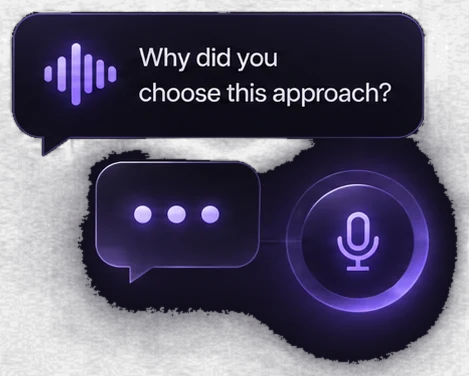
Assay asks about their own diff, by voice, seconds after they finish. Not general questions. Their questions.
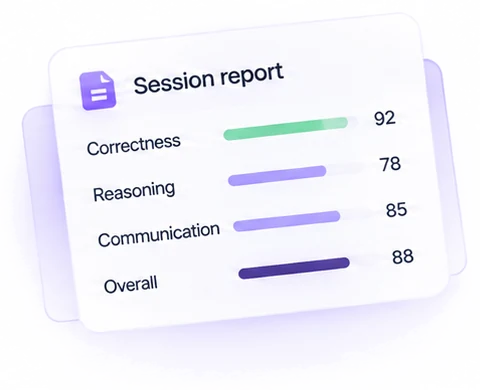
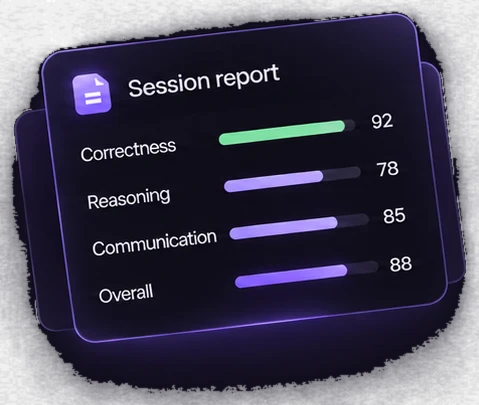
Every score expands to the exact line, timestamp or diff that produced it.
The report
Assay never hands you a number and asks you to trust it. Open any score and you get the exact answer, timestamp or diff hunk behind it. The report is built to be argued with.
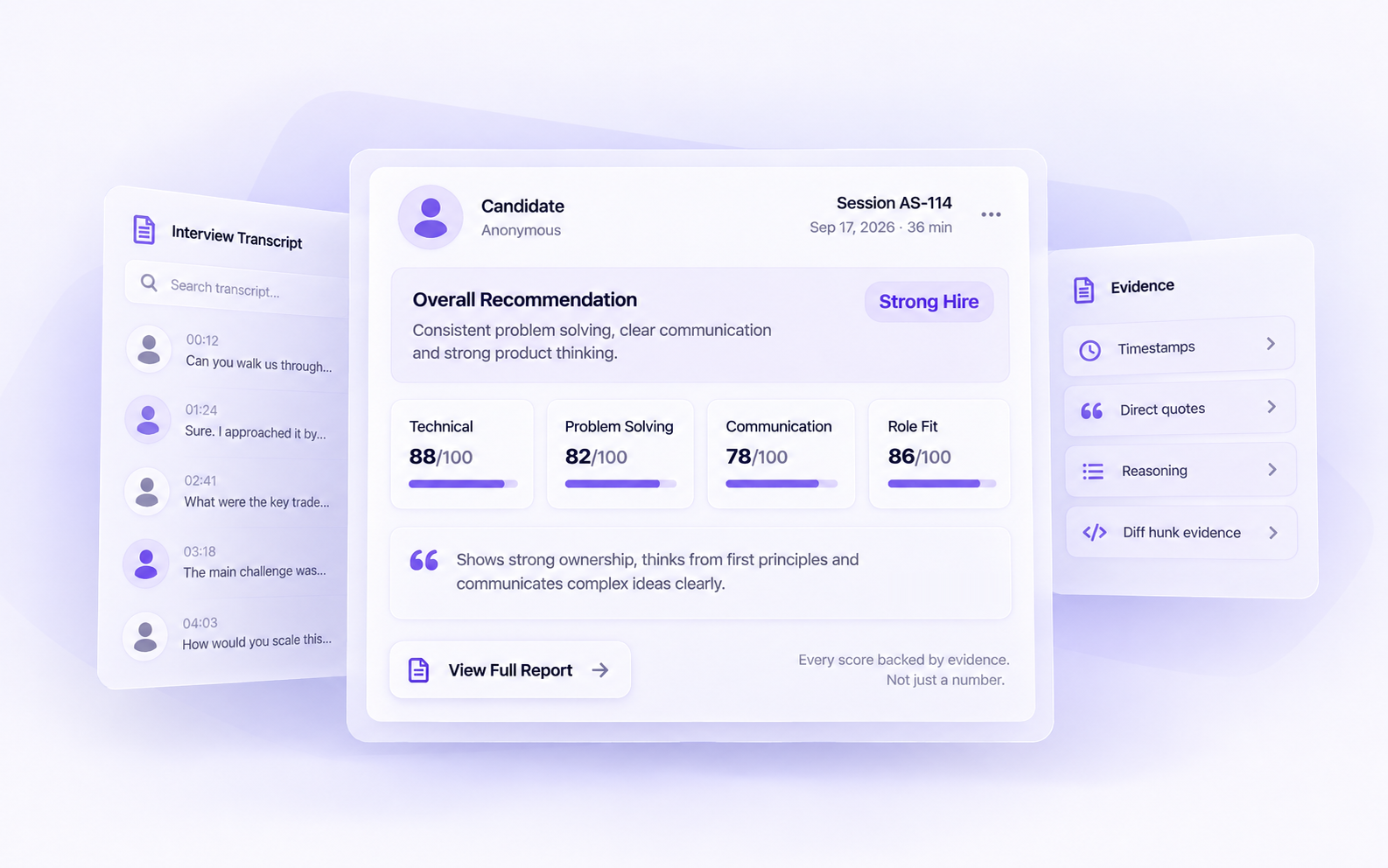
One line, with the reasoning attached. Never a number on its own.
Each one out of 100, and each one opens onto what earned it.
Timestamps, direct quotes, reasoning and diff hunks, one click from any score.
We are onboarding a small number of teams to run real candidates.
The limits
It recommends, and a person decides.
Who it is for
For companies where a first‑round technical screen costs a senior engineer an hour per candidate, and most of those hours go to people who were never going to make it.
Engineers hired a year
This year
Google, Meta and Canva all moved to AI‑assisted interviews. All of their versions need a senior engineer in the room.
This one does not.
 Apprify Technologies, built on
 infrastructure from Sentry, Deepgram, Sarvam AI, Neon and Anthropic.





The waitlist
We are onboarding a small number of teams to run real candidates before Assay opens to everyone. Tell us roughly how much you hire and we will be in touch.
First
Access before Assay opens publicly
Then
A full session and its report, walked through with you
Built for
Teams hiring 20 to 500 engineers a year
Onboarding a small number of teams now.
Join the waitlist